Other

Canadian working equitation rider competing with traditional garrocha during international competitio

Working Equitation Canada (WECan) has selected four riders and one alternate for Canada’s first team to compete at a working equitation world championship.

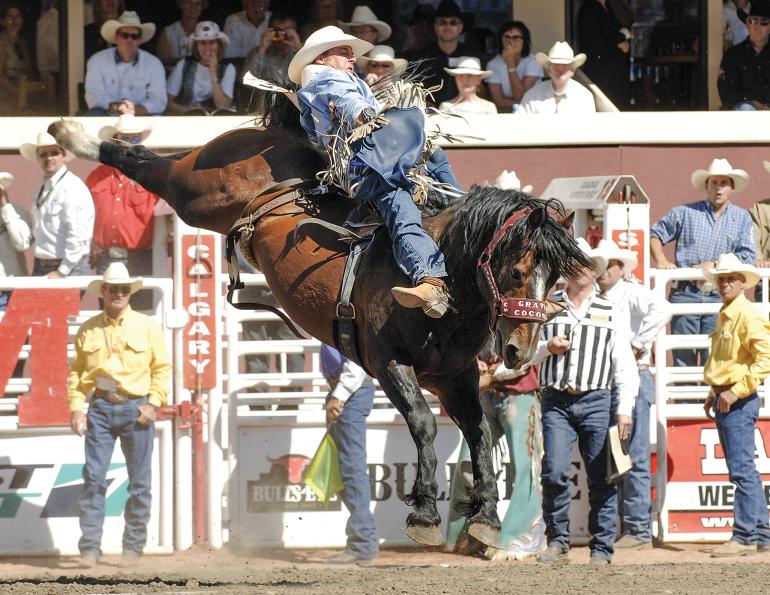
Monique Noble, Grated Coconut, Calgary Stampede, Born to Buck program, rodeo horse, bareback horse, legendary rodeo horse, Professional Rodeo Cowboys Association, PRCA, Canadian Professional Rodeo Association, CPRA, Bareback Horse of the Year, Stampede Ranch, Davey Shields Jr., rodeo history, Canadian rodeo, rodeo stallion, bucking horse, rodeo legend, rodeo stock contractor, Canadian Horse Journal

Grate Expectations - There is a deafening silence when a living legend becomes a legend. The roar of fandom becomes an echo and the anticipation of a show that only they can deliver will never again radiate through the crowd.

Tania Millen, Working Equitation Canada, WECan, opinion, Working Equitation World Championships, WAWE, Canadian working equitation, Canada working equitation team, working equitation selection process, Canadian equestrian sport, equestrian governance, team selection, athlete selection, equestrian transparency, horse sport Canada, Canadian horse industry, Sarah Bradley, Ilona Berbekar, Kerry Marit, Pam Esteves, Susanne Zimmerman, WAWE rankings, World Association for Working Equitation, equestrian opinion, Ho

Selecting athletes for any team is hard. Selecting athletes for the first Canadian team that a fledgling organization has ever sent to a World Championships is doubly difficult. However, using subjective selection criteria which results in the highest ranked rider being left off the team pretty much guarantees that sport enthusiasts will question the selection process, the organization, and whether they want to be involved in future.

senior performance horse, ageing horse, older competition horse, senior sport horse, horse fitness, equine conditioning, geriatric horse care, horse health, equine athlete, dressage horse, show jumping horse, horse training, equine veterinary care, maintaining older horses, Canadian horse owners

There comes a time when even the horse that has carried you to countless victories begins to show signs of age. For many riders, accepting that a trusted competition partner is becoming a senior can be difficult. Yet with modern advances in veterinary medicine and improved management practices, many horses now continue to perform successfully into their late teens and even their twenties. This is particularly true in disciplines such as dressage and show jumping, where years of training and experience are essential to reaching the highest levels of competition.

Lindsay Grice, flat class, rail class, horse show flat classes, horse show rail classes, horse show judging, horse show judge, equitation, hunter under saddle, western pleasure, western horsemanship, show hack, pleasure hack, road hack, English equitation, horse show tips, show ring strategy, horse show preparation, horse showing, equestrian competition, equestrian Canada, Canadian horse industry, English riding, Western riding, correct leads, diagonals, self-carriage, horse turnout, show ring etiquette

Riding the Rail - No jumps. No pylons. No letter markers. Unlike classes assessing the accuracy of patterns, the quality of movements in tests, or how the competitor meets each jump on course, flat or rail classes appraise the picture of you and your horse in profile.

Teresa Pitman, Prof. Michael Lindinger, University of Guelph, Equine Guelph, horse heat stress, overheating horses, horse hydration, equine hydration, horse cooling techniques, cooling horses in summer, horse sweating, electrolyte supplementation for horses, horse electrolytes, summer horse care, riding in hot weather, horse exercise safety, equine health, horse wellness, heat acclimatization in horses, preventing heat stress in horses, horse body temperature, equine physiology, horse sweating and hydration

A hot humid day. One rider. One horse. Both are exercising at a moderate level. Who is more likely to overheat? It might surprise you to learn that your horse gets hotter much faster than you and is more susceptible to the negative effects of heat stress. Prof. Michael Lindinger, an animal and exercise physiologist at the University of Guelph, explains: “It only takes 17 minutes of moderate intensity exercise in hot, humid weather to raise a horse’s temperature to dangerous levels. That’s three to ten times faster than in humans. Horses feel the heat much worse than we do.”

bridle horse riding, tania millen, martin black horse trainer, spanish cowboys, stefanie travers horse trainer, straight up bridle, bosal two rein, roping

Over five centuries ago, Spanish horsemen—known as vaqueros—arrived in North America, bringing with them a deep horsemanship legacy that continues to shape today’s Western riding culture. Their influence can be seen not only in commonly used words like “chaps” (derived from chaparreras) and “rodeo” (from rodear), but also in the foundational principles of horse training and stockmanship.

noseband tightness horses, equine welfare research, horse stride length study, riding tack pressure, horse biomechanics, equine performance Canada, horse training welfare, ISES noseband guidelines

A recent study confirms that tightening a horse’s noseband may do more than change appearance or control the mouth — it may also affect the horse’s movement.

backcountry horse riding Canada, equine first aid Canada, wilderness horse safety, trail riding risks, horse riding preparation, Canadian outdoor riding tips, equine emergency preparedness, backcountry safety horses, horseback riding mountains Canada, wilderness survival horse riding

Over the years I’ve spent working in the backcountry, one thing has consistently stood out: how often people head out with the mindset, “It’s just a short trip—I don’t need much.” My background spans time in the infantry, earning a Bachelor of Applied Ecotourism and Outdoor Leadership from Mount Royal University in Calgary, working as a professional adventure guide, and teaching Wilderness and Remote First Aid and survival skills. Alongside that, I’ve spent years as a horseman and now instruct Equine First Aid. Through all of this, I’ve witnessed significant changes in how people approach the backcountry.

Jonathan Field pushy horse, how do i control my horse, how do i stop bad horse behaviour, horse to behave, hold and wait horse, horse yield

You are who your friends are. That adage can apply to horses, too. How we treat them will often be reflected right back at us - for good or bad. Sometimes the difference between a harsh cue and an appropriate one can be subtle. Pressure can be effective, but intensity and timing can make all the difference.

Pages